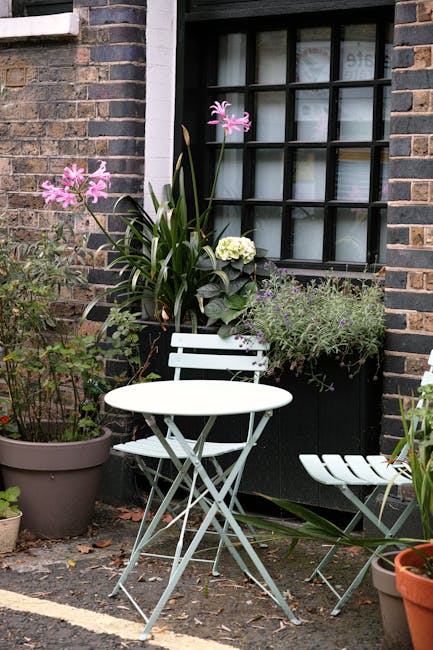
Balham High Road Patios Guide for Gardeners
If you are looking at a patio in Balham High Road and wondering how to make it work properly for planting, seating, drainage, and year-round use, you are in the right place. A good patio is not just a slabbed area behind the house. Done well, it becomes the bit of the garden you actually use on a drizzly Tuesday, a bright Saturday, and those evenings when the air is warm and the rosemary smells a little stronger than usual. This Balham High Road patios guide for gardeners is written to help you make practical decisions, avoid expensive mistakes, and get a result that feels right for London living.
Balham gardens often have their own quirks: narrow plots, limited access, shade from neighbouring buildings, awkward levels, and a real need for surfaces that can handle muddy shoes, pots, family life, and the occasional burst of summer rain. The aim here is simple. Help you plan a patio that looks good, drains properly, supports planting, and stays usable without becoming a maintenance headache. Along the way, you will find useful design steps, material comparisons, compliance considerations, and a checklist you can actually use.
For wider company details and service information, you can also explore the services overview and learn more about the team behind the work on the about us page. If you are already at the point of comparing costs, the pricing and quotes page is the natural next stop.
Table of Contents
- Why Balham High Road patios guide for gardeners Matters
- How Balham High Road patios guide for gardeners Works
- Key Benefits and Practical Advantages
- Who This Is For and When It Makes Sense
- Step-by-Step Guidance
- Expert Tips for Better Results
- Common Mistakes to Avoid
- Tools, Resources and Recommendations
- Law, Compliance, Standards, or Best Practice
- Options, Methods, or Comparison Table
- Case Study or Real-World Example
- Practical Checklist
- Conclusion
- Frequently Asked Questions
Why Balham High Road patios guide for gardeners Matters
A patio is often the foundation of the whole outdoor space. In a busy part of London, where gardens may be small, overlooked, or split into different levels, the patio usually does the heavy lifting. It is the place for a table and chairs, a line of herb pots, children's muddy boots, and sometimes a wheelbarrow parked in the rain while you decide what to do next. Truth be told, if the patio fails, the whole garden can feel awkward.
For gardeners, patios matter because they shape both function and planting. The right layout can create warmer microclimates for Mediterranean plants, define spaces for containers, and make it easier to manage soil, mulch, and watering. The wrong layout can leave you with standing water, slippery paving, poor access, and planting beds that are hard to reach. Not ideal, and certainly not relaxing.
Balham High Road itself sits within a lively urban context, so practical details matter just as much as appearance. You want surfaces that suit foot traffic, resist staining from pots and compost, and blend with the house rather than looking dropped in as an afterthought. A well-planned patio also helps reduce garden maintenance, which is often what people actually want once the novelty of the first planting spree wears off.
There is also a value angle. A patio that is properly built, easy to maintain, and visually tidy usually feels more inviting and can improve the day-to-day enjoyment of the property. If you are weighing up a full refresh rather than a quick tidy-up, it may be worth reviewing the wider garden services overview before deciding how much work to bundle together.
How Balham High Road patios guide for gardeners Works
At its simplest, a patio project moves through five linked stages: planning, design, ground preparation, installation, and aftercare. The details can vary a lot, but the sequence is usually the same. Skip one stage and the whole thing becomes less reliable. That part is not glamorous, but it matters.
1. Assess the space properly
Start with what the garden actually gives you. Measure the area, note sun and shade, watch where water collects after rain, and check how you move through the space. If there are pets, children, storage needs, or a back gate to reach, those details change the design. A patio that looks lovely on paper but blocks the natural route from kitchen to lawn is one you will resent by autumn.
2. Choose the patio's main job
Ask what the patio should do first. Is it for dining? Pots and display? A transition between house and planting beds? A dry standing area near a shed or greenhouse? Clear purpose drives better decisions. A dining patio needs more room for furniture circulation. A planting-led patio may need broader edges for containers, raised beds, and irrigation access. Different jobs, different layout.
3. Select materials that suit London conditions
Materials should fit the look of the house, but they also need to handle weather, cleaning, and everyday wear. In a place like Balham, that means considering algae build-up in shady spots, leaf staining, and freeze-thaw movement in winter. Porcelain, natural stone, concrete paving, and brick all have their own pros and trade-offs. We cover those in more detail later, because choosing based on appearance alone is how people end up with slippery paving they cannot stand to mop.
4. Prepare the base correctly
The sub-base is the boring bit nobody photographs, and yet it is often the difference between a patio that lasts and one that settles badly. Proper excavation, compacted hardcore, and the right bedding layer help prevent movement. Drainage also needs attention, especially where the garden naturally falls toward the house or neighbouring boundary. If the levels are off, you may see puddles after rain or damp issues near the property.
5. Install, finish, and maintain
Installation is only the midpoint. Once paving is laid, joints are filled, edges secured, and any steps or transitions made safe, the real-world finish begins. A patio should be easy to sweep, simple to wash down, and compatible with planting around its edges. A little routine maintenance goes a long way: brushing debris, checking joints, and controlling algae before it becomes slick underfoot.
Key Benefits and Practical Advantages
There are several good reasons gardeners focus so heavily on patios, and most of them are practical rather than decorative. That is usually how it should be.
- Usable space: A patio creates a stable, clean area for sitting, potting, barbecues, and moving heavy containers.
- Better planting control: It gives you clear edges for raised beds, pots, and climbers, making the garden easier to manage.
- Improved drainage planning: A properly designed hard surface can help direct water away from sensitive areas.
- Lower maintenance: Compared with informal gravel or muddy borders, a well-made patio is easier to keep tidy.
- Stronger visual structure: It helps organise a small garden so it feels intentional rather than cramped.
- All-season use: Even in colder months, a patio provides a reliable place to stand, walk, or work.
There is a quieter benefit too: confidence. Once the patio is right, planting decisions get easier. You stop second-guessing where the table will go, or whether a border will be hard to reach. It sounds small, but it makes the garden feel calmer.
Who This Is For and When It Makes Sense
This guide is especially useful if you are a homeowner, landlord, tenant with permission, or gardener helping a client in Balham High Road or the surrounding area and you need to improve a patio without making the garden feel overdesigned. It also makes sense if you are facing one of those familiar London garden scenarios: compact space, patchy sun, a paved area that has become uneven, or a blank side return that could be more useful.
You may need this kind of guidance if:
- your patio holds water after heavy rain
- the paving feels loose, uneven, or unsafe
- the space looks fine but does not work well for plants or furniture
- you want a low-maintenance garden that still feels green
- you are planning a full redesign and want the hard landscaping sorted first
- you need to balance aesthetics with access, storage, or family use
If you are just replacing a couple of broken slabs, the job may be straightforward. If the whole area needs re-levelling or a drainage rethink, that is where proper planning saves money later. To be fair, a lot of patio problems only become obvious after the first proper downpour.
Step-by-Step Guidance
Here is a practical way to approach a patio project without getting lost in the details.
Step 1: Walk the space in different conditions
Visit the garden at different times of day if possible. Morning light, midday glare, and evening shade all affect how the patio will feel. Notice where the ground is soft, where weeds appear, and where water sits after rain. A quick walk after a shower can tell you more than an hour of guesswork.
Step 2: Decide on dimensions and layout
Mark out the patio footprint with string, chalk, or temporary markers. Check how much room is needed for doors to open, chairs to pull back, and people to move around comfortably. If the space is tight, a slightly narrower patio with better circulation can work far better than one that tries to cover everything.
Step 3: Match the surface to the use
Pick materials that suit both the practical use and the style of the property. A smooth, light-coloured surface may brighten a shaded terrace, while a textured finish may be better for a family garden that gets a lot of traffic. If the patio will sit near herb beds or containers, choose finishes that are easy to clean after compost spills. They do happen. Often.
Step 4: Plan the edge treatment
Good edging is not just cosmetic. It helps keep paving stable and separates the patio from planting areas. You may use brick, stone setts, timber edging, or a clean planted border. For gardeners, this is one of the best places to add character without making the whole area feel busy.
Step 5: Address drainage early
Do not leave drainage as an afterthought. Consider whether the finished surface needs a gentle fall away from the building, whether channel drains are needed, and where runoff will go. In a dense urban setting, you cannot just assume the water will magically behave. It rarely does.
Step 6: Prepare the base and lay the surface
Excavate to the right depth, build and compact the sub-base, lay the bedding layer, and position the slabs or pavers carefully. Consistent joints and levels matter. A slightly off line becomes very visible once the furniture goes down.
Step 7: Finish with planting and maintenance access
Leave enough room for maintenance. A patio should not trap you out of your own beds. Think about container placement, watering access, compost storage, and how you will reach trellises or wall plants. This is where good garden design really shows its worth.
Expert Tips for Better Results
Over time, a few habits make a large difference. None are dramatic, but they save hassle and improve the finish.
- Design for cleaning as well as looks. A patio with awkward corners collects leaf litter and algae faster than you think.
- Use planting to soften hard edges. A line of lavender, ferns, thyme, or clipped shrubs can make stone feel more generous and less rigid.
- Leave sensible access routes. You will thank yourself later when you need to carry bags of compost or a hose.
- Think about reflection and heat. Pale paving can brighten shady spaces, while darker materials can absorb more warmth in sunny spots.
- Keep joints appropriate to the material. Wide or uneven joints can look messy and invite movement if not done properly.
- Use containers strategically. Pots can turn a plain patio into a layered space without making it cluttered, provided you do not overdo it.
A small, slightly imperfect trick from real gardens: leave one area a little quieter than you think you need. Not everything has to be planted or furnished. Negative space helps the whole thing breathe. Rather nice, actually.
Common Mistakes to Avoid
Most patio problems are predictable. That is the annoying bit. The good news is they are also avoidable.
- Ignoring drainage. Water pooling near the house or under seating areas is a pain, and in some cases it can become a longer-term maintenance issue.
- Choosing materials for looks only. A surface that photographs beautifully but stains quickly or becomes slippery is a false economy.
- Underestimating levels. A patio that is too high, too low, or badly stepped can create access and safety problems.
- Forgetting the planting plan. If you leave no room for borders or pots, the patio can feel bare and hard-edged.
- Skipping the base preparation. This is the classic one. It looks fine at first, then settles, shifts, and quietly causes grief.
- Overcrowding small spaces. Too much furniture, too many pots, too many materials. The space ends up feeling busy rather than useful.
One common issue in compact London gardens is trying to make every square metre do everything. It sounds efficient, but it usually means nothing works beautifully. Better to let each zone have a clear job.
Tools, Resources and Recommendations
Whether you are managing a small refresh or a more involved patio build, a few practical tools and resources make life easier.
Useful tools
- measuring tape and string line for setting out
- spirit level for checking falls and levels
- rubber mallet for adjusting paving without damage
- stiff brush for daily cleaning
- hose or watering can for washing dust and checking drainage flow
- gardening gloves, eye protection, and sturdy footwear
Useful planning aids
- a rough sketch of the garden with access points marked
- a simple list of what the patio must support: dining, pots, storage, movement, or all of these
- photos taken after rain, which often reveal drainage patterns more clearly than a dry-day inspection
If you are comparing professional help, the pricing and quotes page can give you a sense of how the process is handled, while the contact us page is the sensible route if you want to talk through a project rather than guess your way through it. And if sustainability matters to you, the recycling and sustainability page is worth a look.
Law, Compliance, Standards, or Best Practice
Patio work may seem straightforward, but good practice still matters. In the UK, anyone planning external works should think about safety, drainage, access, and the condition of nearby structures. If the patio sits close to the house, careful level planning is especially important to avoid directing water toward the building. That is not something to leave to chance.
Best practice usually includes:
- proper excavation and sub-base preparation
- appropriate falls for drainage
- safe transitions at doors, steps, and changes in level
- surfaces that are suitable for the expected use and foot traffic
- care with manual handling when moving slabs, aggregates, or soil
If contractors are involved, it is sensible to ask about public liability cover, site safety, and working methods. A straightforward way to get confidence is to review the company's insurance and safety information alongside the health and safety policy. If you are buying a service, the terms and conditions and payment and security pages are also worth reading before anything is agreed.
For accessibility-minded projects, think beyond compliance and into everyday use. A patio should be stable, obvious to navigate, and not awkward for anyone carrying trays, pruners, or a watering can. Simple, level, predictable. That is usually best.
Options, Methods, or Comparison Table
There is no single right patio material. The best choice depends on budget, appearance, maintenance tolerance, and the garden's conditions. Here is a practical comparison.
| Material | Strengths | Trade-offs | Best for |
|---|---|---|---|
| Natural stone | Classic appearance, varied character, good kerb appeal | Can need more care, quality varies, often higher cost | Traditional homes and characterful gardens |
| Porcelain | Low maintenance, consistent finish, often stain-resistant | Can feel less natural if poorly chosen, needs careful installation | Modern gardens and low-maintenance schemes |
| Concrete paving | Flexible style options, often budget-friendly, widely available | May weather unevenly over time, finish quality varies | Practical family gardens and straightforward refurbishments |
| Brick or clay pavers | Warm texture, good for older properties, attractive patterning | Can be more labour-intensive, joints need attention | Smaller patios and heritage-style designs |
For a gardener, the most useful question is not "Which is best?" but "Which will still be useful in three years?" That shift usually leads to better decisions. A patio is not a showroom floor. It lives outdoors, in rain, grit, pollen, and all the rest of it.
Case Study or Real-World Example
Picture a typical Balham High Road rear garden: narrow, overlooked, and a bit tired after several seasons of mixed use. The old paved area is uneven, the joints are full of weeds, and water sits in one corner after a heavy shower. There is also a herb border that gets trampled every time someone brings the bins through. A familiar story, honestly.
The solution in this kind of garden is often not to make the patio bigger for the sake of it. Instead, a better approach is to tighten the layout, improve the base and drainage, and create a defined seating zone with room for a couple of containers and a clear path to the back. The planting then does the softening work: scented herbs near the seating, a climber on the fence, and a narrow border that is easy to maintain.
What changes most is the feel of the space. The patio stops being a leftover hard patch and becomes the centre of the garden. You can sweep it in a minute, step outside with a coffee, and actually enjoy being there. That is the real test.
Practical Checklist
Use this checklist before work begins. It saves time, money, and a fair amount of head-scratching.
- Have I measured the space accurately?
- Do I know what the patio is mainly for?
- Have I checked sun, shade, and drainage patterns?
- Is there enough room for furniture and movement?
- Have I chosen a surface that suits both the style of the property and the maintenance level I want?
- Are the levels and edges planned properly?
- Do I know where the water will go?
- Have I allowed space for planting, pots, and access?
- Have I considered cleaning, slippery surfaces, and year-round use?
- Do I understand the costs, timeline, and terms before starting?
It is a simple list, but that is the point. Good patio planning is often just disciplined common sense, repeated with care.
Conclusion
A patio on Balham High Road should do more than look neat for a few weeks after installation. It should support the way you garden, the way you move through the space, and the way you want to live at home. If you get the design, base, drainage, and materials right, the patio becomes one of the most useful parts of the garden rather than just a hard surface you step over.
The best results usually come from taking the space seriously without overcomplicating it. Keep the layout practical, choose materials with real use in mind, and leave room for planting to do its quiet work. Small garden, big difference. That is often how it goes.
If you are ready to move from planning to action, start with a clear conversation and a realistic quote. You will make better decisions when the details are on the table.
Get a free quote today and see how much you can save.
For a final look at company support, you may also want to review the about us page and the contact us page. A good project starts with good information, and a patio you enjoy starts with that first sensible step.
Frequently Asked Questions
What makes a patio suitable for gardeners in Balham High Road?
A good patio for gardeners needs stable footing, sensible drainage, enough room for pots or beds, and materials that are easy to clean after soil, mulch, and plant debris. In a compact London garden, usefulness matters just as much as appearance.
How do I know if my patio needs replacing or just repairing?
If you have isolated loose slabs or a few bad joints, repair may be enough. If the surface is uneven, holds water, or keeps moving, the problem is often deeper and a rebuild may be more sensible.
Which patio material is easiest to maintain?
Porcelain is often chosen for low maintenance because it is easier to keep clean, while some concrete options are also practical. That said, the best choice depends on the garden's style and how much wear the patio will take.
Can a patio work well with lots of planting?
Yes, absolutely. In fact, gardeners often get the best results when a patio is designed as the anchor for planting rather than isolated from it. Pots, climbers, and narrow borders can soften hard edges beautifully.
How important is drainage for a garden patio?
Very important. Without proper drainage, water can pool on the surface or move toward the house. Good levels and falls are one of the most important parts of the job, even though they are not the exciting bit.
What should I ask a gardener or contractor before work starts?
Ask about the proposed materials, the build-up underneath the paving, drainage, access, timing, and what is included in the quote. It is also sensible to ask about safety, insurance, and payment terms.
How long does a patio project usually take?
That depends on the size of the area, ground conditions, and whether old paving needs removal. A small, straightforward patio can move quickly, while a more complex project with levels or drainage work will take longer.
Can I use a patio if my garden is quite small?
Yes. Small gardens often benefit most from a patio because it creates a clean, usable zone without demanding too much space. The trick is to keep the layout simple and avoid crowding it with furniture or oversized features.
Do I need to think about safety and insurance for patio work?
Yes. If contractors are involved, it is sensible to check their safety procedures and insurance cover. For peace of mind, review the website's insurance and safety information and the health and safety policy.
Is there a best time of year to build or refresh a patio?
Many people prefer drier months for outdoor work because conditions are easier, but timing also depends on the project and the garden's use. If you are planning planting alongside paving, it can help to think about seasonal planting windows too.
How can I make a patio feel less hard and more garden-like?
Use planting at the edges, place a few well-chosen containers, and choose materials that suit the house. Even a small amount of greenery can soften the whole space and make it feel more welcoming.
Where should I go next if I want to compare options or get help?
A good next step is to review the services overview, check the pricing and quotes page, and then use the contact us page if you want to talk through your patio plans in more detail.